

Single-origin coffee is beans traced to one known place, whether that’s a single farm, an estate, a region, or an entire country, roasted and sold without blending in beans from anywhere else. The payoff is flavor you can actually pin to a location: Ethiopian coffee tastes different from Guatemalan coffee because the soil, altitude, and processing are different. Choose single-origin when you want to taste that distinction black or in a pour-over. Choose a blend when you want the same cup every morning or you’re adding milk.
TL;DR:
- The lack of a universal legal definition for single-origin coffee means details like region, processing, and harvest season should be checked on product pages for accuracy.
- Altitude and soil composition significantly influence flavor, with high-altitude beans typically producing brighter, more complex cups, and processing method impacts taste profiles from fruity to clean.
- For balanced flavor and freshness, it is best to buy small quantities, such as a 12-ounce bag, and focus on ordering from reputable roasters who disclose specific sourcing details.
- Brew methods like pour-over highlight origin character better, with temperature and grind size adjustments allowing for better expression of acidity and sweetness.
- Relying solely on the “single-origin” label is insufficient; look for transparent sourcing practices, clear tasting notes, and roasting details to make informed choices.
Table of Contents
- What Does Single-Origin Coffee Actually Mean?
- How Origin and Processing Shape What You Taste
- How to Choose Single-Origin Coffee: A Buying Checklist
- Brewing Methods That Bring Out Single-Origin Character
- What Sourcing Claims Actually Mean (and What They Don’t)
- Tasting Single-Origin Coffee as a Practice, Not a Status Symbol
- Purelight Coffee’s Single-Origin Lineup, Matched to the Checklist
- Sources
- FAQ
What Does Single-Origin Coffee Actually Mean?
The label sounds precise. It isn’t always. “Single-origin” can describe a micro-lot from one small plot on one farm, a coffee from a single estate, a regional blend from one growing area, or simply beans from one country. There’s no single global legal definition governing the term, which means a bag labeled single-origin Ethiopia could be a tightly controlled 200-pound lot or a container-sized mix from dozens of farms across the Ethiopia growing region.
That ambiguity isn’t a scandal. It’s just a reason to read the product page instead of the front label. Look for:
- The specific region or growing area named, not just the country
- The processing method (washed, natural, honey) stated plainly
- Harvest season or crop year, which signals freshness and sourcing recency
- Whether the roaster names a mill or export partner rather than a vague “importer”
A roaster willing to list those details is telling you more than the word “single-origin” ever could on its own.
How Origin and Processing Shape What You Taste
Altitude does more work than most people expect. Beans grown above 5,000 feet mature slower in cooler air, which concentrates sugars and acids and tends to produce brighter, more complex cups. Soil composition and the coffee cultivar (Bourbon, Typica, Heirloom varieties, and others) layer on top of that, shaping everything from body to sweetness.
Processing method matters just as much as geography. Washed coffees ferment the fruit off the bean before drying, producing cleaner, brighter cups. Natural (dry) processed coffees dry with the fruit still on, often yielding fruitier, winey, almost boozy notes, a pattern well documented in how single-origin coffee is described and processed. Honey processing splits the difference, leaving some fruit mucilage on the bean for added sweetness without the full fermentation funk.
Three quick examples of how this plays out in the cup:
- Ethiopia: High altitude plus natural or washed processing typically produces floral, berry, or citrus notes with a light, tea-like body.
- Brazil: Lower altitude, drier climate, and often natural or pulped-natural processing tend to produce chocolate, nut, and caramel flavors with heavier body.
- Guatemala: Volcanic soil and mid-to-high altitude usually deliver a balanced cup, sweet with mild acidity and notes of caramel or stone fruit.
Pro Tip: If a coffee tastes flat or muddy, adjusting the grind or water temperature can often help reveal the coffee’s true character. The origin’s character is often still there, just buried under over-extraction.
How to Choose Single-Origin Coffee: A Buying Checklist
Standing in front of a wall of bags (or scrolling a product page) with a dozen origins to pick from is where most people either freeze up or grab whatever’s on sale. A short checklist fixes that.
Look for these seven things before you buy:
- Stated origin detail — country at minimum, region or estate ideally
- Processing method — washed, natural, or honey, listed explicitly
- Roast level — light, medium, or dark, matched to how you brew
- Tasting notes — specific (“blackberry, brown sugar”) beats vague (“smooth, balanced”)
- Roast date or roast-to-order claim — freshness signal that matters more than most shoppers realize
- Grind options — whole bean if you own a grinder, ground if you don’t
- Price and seasonality — single-origin coffees run seasonal and often cost more than blends because of limited harvests and small-batch runs, a pattern Mr. Coffee’s comparison of single-origin and blended coffee lays out clearly
Growing conditions and processing don’t just affect flavor. They influence antioxidant content too. Coffee is a major dietary source of chlorogenic acids, and research on single-origin coffee and antioxidant levels suggests altitude and processing can shift polyphenol concentration alongside taste, though the effect size varies by method and isn’t something you can eyeball from a bag.
If you are new to an origin, start with one 12 oz bag and see how quickly you use it. Choose a one-time purchase to try it; a subscription repeats the selected product at the interval shown. It does not automatically rotate through different origins.
Brewing Methods That Bring Out Single-Origin Character
The brew method you choose either shows off an origin’s personality or buries it. Pour-over produces the clearest cup, letting acidity and aromatics come through unobstructed. French press adds body and mouthfeel at the cost of some clarity. Espresso concentrates everything into a small volume, which rewards balanced, sweeter origins and can punish overly bright ones.
Three starting recipes:
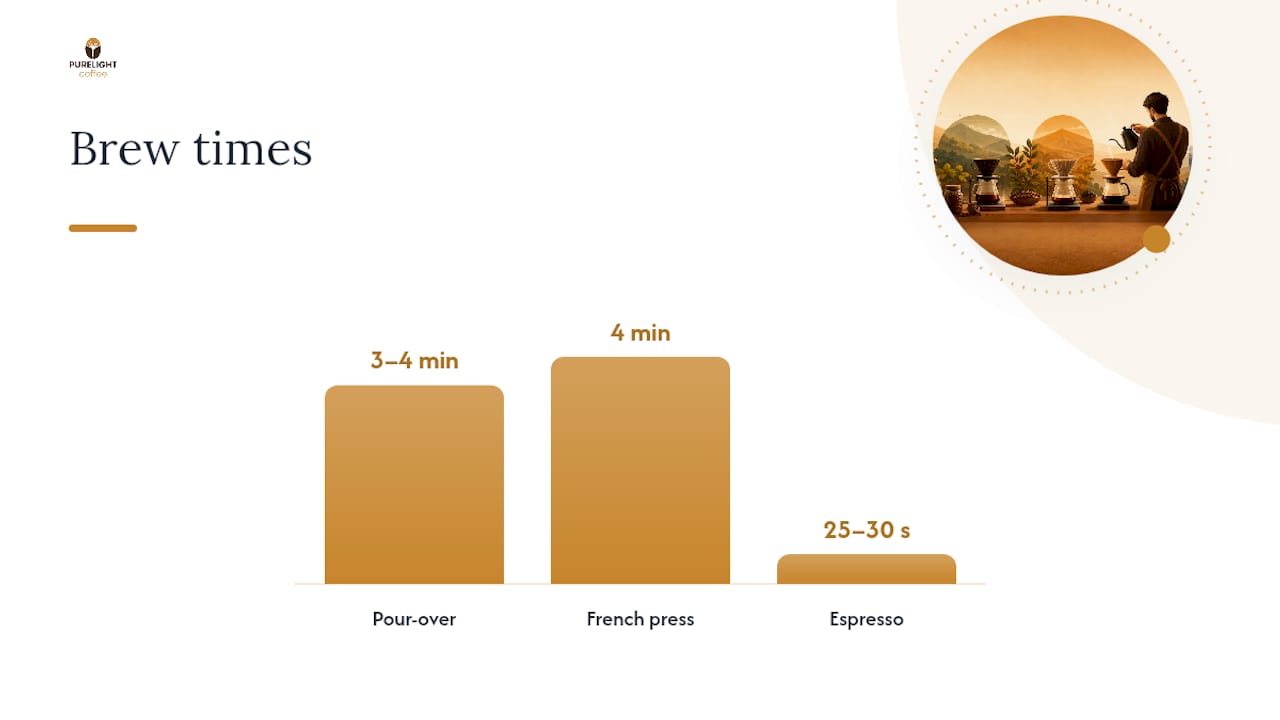
- Pour-over: Use a 1:16 ratio (22 grams of coffee to 350 grams of water), medium grind, water just off boiling around 200°F. Total brew time 3 to 4 minutes. This method favors floral, high-altitude origins like Ethiopian naturals.
- French press: Use a 1:15 ratio (30 grams to 450 grams), coarse grind, 4-minute steep before pressing. Good for chocolate-forward, heavier-bodied coffees like Brazilian naturals.
- Espresso: Use roughly 18 grams in, 36 grams out (a 1:2 ratio), fine grind, 25 to 30 second shot time. Balanced origins like Guatemalan coffees tend to hold up best under this kind of concentration.
To tune sweetness versus acidity, adjust one variable at a time. Grinding finer or brewing hotter pulls out more acidity and intensity; grinding coarser or brewing cooler softens acidity and lets sweetness lead. Change grind size before you change temperature. It’s the variable with the biggest, most predictable effect on flavor.
What Sourcing Claims Actually Mean (and What They Don’t)
There’s no global regulator standing over the word “single-origin,” which means roasters vary widely in how much they disclose. Some name the exact mill and harvest season. Others just print a country name and call it a day.
Credible provenance disclosure usually includes:
- The growing region, named specifically rather than just the country
- The mill or export partner the roaster works with
- The processing method used on that specific lot
- The harvest season or crop year
Purelight shares the origin information supplied by our roasting partner. A regional origin does not establish a named farm or lot. Check each product page and our Sourcing & Testing page for what is available, or contact us about a specific detail.
A roaster’s most useful disclosures aren’t slogans. They’re the boring, checkable details: region, processing method, harvest season, and a suggested brew approach. Roast-date claims or roast-to-order practices matter more to freshness than any origin story printed on the bag.
Purelight Coffee’s guide on dialing in single-origin espresso and its breakdown of what traceability really means in practice both walk through this in more detail, written by Shawn Lee for home brewers trying to separate marketing language from usable information.
Tasting Single-Origin Coffee as a Practice, Not a Status Symbol
The most useful way to approach single-origin coffee is as an ongoing tasting exercise, not a badge to collect. Buy small, take notes on what you actually taste, then brew the same coffee again and change one thing: grind, ratio, or water temperature. Repetition teaches you more than variety ever will.
Try different origins through separate one-time orders and keep notes on what you enjoy. If you subscribe to a favorite, use the management link in your emails to review available changes, or contact us for help. See the subscription guide.
— Shawn Lee
Purelight Coffee’s Single-Origin Lineup, Matched to the Checklist
Three single-origin coffees from Purelight Coffee map directly onto the buying checklist above, each roasted in small batches by our roasting partner in Bend, Oregon.
Ethiopia Prime runs a lighter roast with floral and berry-forward tasting notes, the kind of profile that rewards a slow pour-over where you can actually taste the acidity and aromatics come through. Brazil Classic sits at a medium roast with chocolate and nutty notes, built for French press or drip where its body carries through. Guatemala Gold lands in between: a balanced medium roast with sweet, mild-acidity notes that hold up well in espresso.
All three ship as 12-ounce bags, available whole bean or ground depending on how you brew. Check tasting notes and roast level on the Ethiopia Prime product page, compare it against Brazil Classic, and see where Guatemala Gold fits your brew method before you order.
Sources
- Single-origin coffee — Wikipedia
- What’s the Difference Between Single Origin & Coffee Blends? | Mr. Coffee
- How Single-origin Coffee and Antioxidants Boost Your Health — BrewedBeans
FAQ
What Is Single-Origin Coffee?
It’s coffee traced to one known origin, whether that’s a single farm, estate, region, or country, rather than a mix of beans from multiple sources blended together.
What Is the Best Single-Origin Coffee?
There’s no single best origin. It depends on taste: Ethiopian coffees suit floral, fruit-forward preferences, Brazilian coffees suit chocolate and nutty preferences, and Guatemalan coffees suit balanced, sweeter cups.
What Does “Single-Origin Coffee, Ground” Mean?
It’s single-origin beans pre-ground by the roaster instead of sold whole bean, a convenient option if you don’t own a grinder, though whole bean stays fresher longer once opened.
Is Starbucks Coffee Single-Origin?
Starbucks sells both blends and select single-origin offerings, but most of its core lineup consists of blended coffees rather than beans from one traceable origin.
How Should I Start Exploring Single-Origin Coffee?
Buy one 12-ounce bag at a time, note the origin, roast level, and processing method, and brew it with a method suited to its profile, like pour-over for lighter, floral roasts such as Purelight Coffee’s single-origin collection.
Recommended
- Single Origin Espresso for Home Baristas: How to Dial In
- Small-Batch Coffee: What Home Brewers Need to Know
- Coffee Brew Ratio: Practical Ratios and Recipes to Try
- Freshly Roasted Coffee: When to Drink It, How to Buy It
This article was produced by the Purelight Coffee team. It’s general coffee and brewing information, not professional or medical advice - results will vary with your equipment, water, and beans.


