

Neither format wins outright. Coffee pods trade extraction control for speed and consistency; ground coffee trades convenience for flavor control and a lower per-cup cost. Most households do best mixing both, pods on weekday mornings, a grinder and dripper on weekends when there’s time to fuss over the cup.
TL;DR:
- Specialty-grade pods roasted and sealed within days can match or surpass the flavor quality of stale ground coffee, especially when fresh.
- Reusable pod inserts filled with freshly ground beans are the most environmentally friendly option, offering control without waste.
- Pods are most advantageous during rushed mornings, while ground coffee excels on weekends or for those seeking maximum cost savings and flavor control.
- Recycling pods remains largely ineffective due to low practical collection rates despite marketing claims, making waste reduction rely on using whole beans or compostable options.
- Controlling brewing variables, such as grind size and ratio, allows ground coffee enthusiasts to correct flavor flaws more effectively than with fixed-profile pods.
Table of Contents
- Coffee Pods vs Ground Coffee: The Basics
- What Coffee Pods Get Right (and Where They Fall Short)
- Why Ground Coffee Still Wins on Flavor and Cost
- Coffee Pods vs Ground Coffee: A Side-by-Side Look
- Who Should Choose Which Format
- How to Keep Coffee Fresh, Whether It’s Pods or Ground
- Cutting Waste, Whatever Format You Choose
- When Specialty-Grade Pods Close the Quality Gap
- The Real Trade-Off Nobody Talks About Enough
- Try Specialty-Grade Pods Without Giving Up Your Grinder
- Sources
Coffee Pods vs Ground Coffee: The Basics
A coffee pod is a sealed, single-serve capsule loaded with a pre-measured, pre-ground dose. The machine punctures it, forces hot water through at a fixed pressure and time, and hands you a cup with almost no decisions required. Ground coffee is exactly what it sounds like: beans milled to a chosen size, either by the roaster before packaging or by you at home right before brewing.
The gap between the two comes down to control. A person brewing ground coffee manipulates five variables: grind size, dose, water temperature, contact time, and the water-to-coffee ratio. Change any one and the cup changes with it. A pod removes that control entirely, locking in a single grind, dose, and brew profile at the factory. That’s the whole trade in one sentence: pods hand you consistency, ground coffee hands you a dial.
What Coffee Pods Get Right (and Where They Fall Short)
The appeal is speed. A pod brews in under 60 seconds, no scale, no timer, no cleanup beyond tossing the capsule. That’s a real advantage on a Tuesday at 6:45 a.m.
- Fast and repeatable: press a button, get the same cup every time, no technique required.
- Sealed freshness: the capsule protects the grounds from oxygen and moisture until the moment you brew, which slows staling far better than an open bag of pre-ground coffee sitting on a counter.
- Huge variety: pod lineups span dozens of roast levels and flavors, so switching from a light roast to a dark one is a matter of grabbing a different box.
- Higher cost per cup: you’re paying for packaging, portioning, and convenience, and it shows on the receipt.
- No extraction tuning: what’s in the pod is what you get. If it tastes over-extracted, there’s no grind adjustment to fix it.
- Waste at scale: even where curbside programs technically accept them, Keurig’s own recycling claims came under scrutiny from the SEC in 2024, and most consumers don’t separate the foil, filter, and plastic shell required for actual recycling.
Why Ground Coffee Still Wins on Flavor and Cost
Ground coffee’s whole case rests on control. You choose the grind, the ratio, the brew method, and you can correct a bad cup the next morning instead of being stuck with a fixed recipe.
- Full extraction control: dial the grind coarser for a French press, finer for an espresso machine, and adjust ratio until the cup tastes right to you.
- Method flexibility: the same bag of beans works in a pour-over, a drip machine, a French press, or an AeroPress.
- Lower ingredient cost per cup: whole bean and pre-ground coffee generally run cheaper per serving than pods once you’re past the equipment cost, based on typical trade pricing patterns for both formats.
- More equipment, more cleanup: a grinder, a scale, and a brewer to wash beat a machine that does everything for you.
- Lower waste per cup: ground coffee comes in one bag instead of a dozen individually wrapped units, and the spent grounds themselves are compostable and retain usable bioactive compounds rather than heading straight to a landfill.
Coffee Pods vs Ground Coffee: A Side-by-Side Look
Quality and customization split cleanly along the same line as everything else: ground coffee lets you touch every extraction variable, while a pod machine locks grind, dose, temperature, and time at the factory. If a pod tastes flat or bitter, there’s no fix beyond switching brands. Ground coffee lets you correct it tomorrow.
Convenience and time favor pods without much argument. A pod brews in under a minute with zero cleanup beyond the trash. A pour-over or French press runs several minutes including grinding, and you’re washing a dripper or plunger afterward.
Cost is where the math gets interesting. Pods generally run higher per cup than bagged coffee once you account for the packaging and portioning built into the price. Ground coffee and whole beans tend to win on long-term cost per cup, especially for frequent drinkers, though a decent grinder is an upfront cost that only pays off with volume and time.
The freshness gap is smaller than most people assume. A sealed pod holds its freshness on the shelf far longer than an opened bag of pre-ground coffee, which starts losing aroma compounds within days of exposure to air. But once a pod is punctured and brewed, that advantage disappears instantly. The real freshness battle is opened ground coffee versus whole beans you grind yourself right before brewing, and whole beans win every time.
Environmental impact tilts toward ground coffee on raw waste volume. Spent grounds compost easily and research on their bioactive content keeps finding new potential reuses in food and materials science. Pods generate more packaging per cup, and actual recycling rates lag well behind marketing claims.
Quick scenarios:
- Rushed weekday mornings with zero time to grind: pods win.
- Weekend brewing where flavor matters more than speed: ground coffee wins.
- Households where some people love dark roast and others want decaf: pod variety wins.
- Heavy daily drinkers watching the budget: ground coffee wins on cost per cup.
Who Should Choose Which Format
- The solo fast-morning drinker wants a cup in under a minute with no cleanup. Pods fit that life without friction.
- The flavor seeker wants to taste the difference between a washed process and a natural process. Ground coffee and a grinder are non-negotiable here.
- The household with mixed tastes benefits from pod variety, letting one person drink dark roast while another drinks light without brewing two separate pots.
- The budget-conscious heavy drinker should lean on whole bean and a grinder, since the per-cup math favors ground coffee once volume climbs.
- The sustainability-first buyer should default to ground coffee and compost the spent grounds, reserving pods for occasions where speed truly matters.
A hybrid workflow, pods on weekdays and a grinder on weekends, or reusable pod inserts filled with your own ground coffee, covers most of these profiles at once. Ask yourself three questions: how many cups do you drink daily, how much technique are you willing to learn, and how much waste can your household tolerate.
How to Keep Coffee Fresh, Whether It’s Pods or Ground
Store any coffee airtight, away from light and heat, and skip the fridge, it invites moisture and odor absorption rather than preventing staling. Bags with a one-way valve let roasting gases escape without letting air back in, which is why they outperform a folded bag clip.
- Sealed pods hold up well on the shelf for months thanks to that airtight barrel.
- Unopened bagged ground coffee stays reasonably fresh for several weeks past the roast date.
- Opened ground coffee starts losing aroma within days once air gets to it regularly.
- Whole beans, ground right before brewing, give you the freshest possible cup every single time.
Pro Tip: Buy only as much ground coffee as you’ll use in two to three weeks, and buy whole beans instead if you own a grinder, freshly cracked beans smell and taste noticeably better than anything pre-ground. For more on timing purchases around the roast, see our guide to freshly roasted coffee.
Cutting Waste, Whatever Format You Choose
Pod recycling remains more marketing promise than practical reality in most US municipalities, and that’s worth knowing before you assume every capsule you toss gets processed. The gap between what’s technically recyclable and what your local program actually accepts is where good intentions go to die.
Spent coffee grounds are a genuinely easy win. They work in garden compost, as a mild abrasive, or mixed into soil around acid-loving plants, and reviews of their reuse potential note they still carry antioxidants worth putting back into use, though any food-grade reuse should follow standard safety guidance rather than improvisation.
Three mitigations actually move the needle:
- Use a reusable pod insert filled with your own ground coffee instead of single-use capsules.
- Check whether certified compostable pods are accepted by your specific local composting program before assuming they qualify.
- Buy bulk beans or ground coffee with minimal packaging when cost and waste both matter to you.
When Specialty-Grade Pods Close the Quality Gap
The biggest limitation of a pod isn’t the format itself, it’s what’s inside it. A pod loaded with tired, mass-roasted coffee tastes exactly like that no matter how fast the machine works. A pod loaded with specialty-grade coffee, roasted recently and sealed fast, starts from a much higher baseline.
That’s the premise behind Purelight Coffee’s pod lineup:
- Our roasting partner supplies the origin, roast and cupping details on the product pages. For blends, the listed scores describe component coffees, not a separate assessment of the finished pod or blend.
- Our roasting partner is based in Bend, Oregon. See our Shipping Policy for current production and carrier-transit estimates.
- Available laboratory reports cover the specific samples and tests named in them. They do not establish results for every pod or bag. See Sourcing & Testing to request and interpret the reports.
None of that hands you back the extraction control a grinder gives you. It does mean the ceiling on what a pod can taste like is a lot higher than most people assume.
The Real Trade-Off Nobody Talks About Enough
Most coffee content treats this as a binary choice, pods for the lazy, ground coffee for the serious drinker. That framing misses the actual variable that matters: what’s inside the format, not the format itself. A stale, mass-roasted pod and a stale, mass-roasted bag of pre-ground coffee will both taste mediocre. A fresh, specialty-grade pod will often beat a bag of ground coffee that’s been sitting open on a counter for three weeks.
The conventional advice, “buy whole beans and grind fresh, always,” is right for someone willing to build the habit. It’s wrong as universal advice because it ignores how most people actually behave on a Tuesday morning. Pushing perfect technique on someone who’s never going to grind beans before 7 a.m. just means they end up drinking whatever stale option is fastest.
What should come first isn’t format, it’s freshness. A recently roasted pod beats an old bag of ground coffee every time, and a freshly ground bean beats both. Pick your format around your actual morning, not an idealized one, and let freshness be the variable you actually fight for.
— Shawn Lee
Try Specialty-Grade Pods Without Giving Up Your Grinder
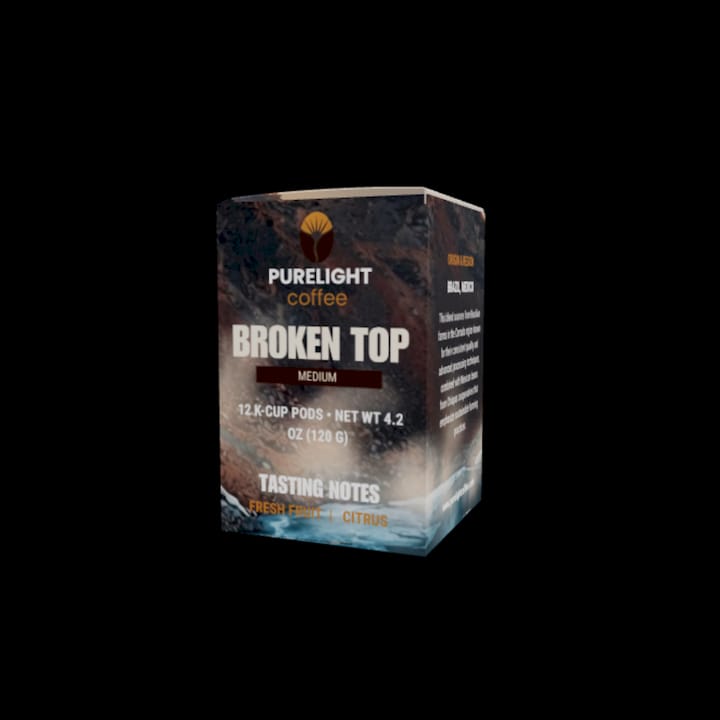
Purelight has three K-Cup-compatible pod roasts: High Lakes for a light, fruity cup, Broken Top for a medium roast with nutty, sweet notes, and Flathead Valley for a darker chocolate-led profile. Choose the roast that sounds closest to your usual coffee and check your brewer compatibility. The pods do not fit Nespresso machines, French presses or moka pots.
Trying two pod roasts
Any two boxes from our pod collection are $31.95 as a one-time purchase, for 24 pods total. Each box contains 12 K-Cup-compatible pods.
One pair offer per order, on one-time purchases only. Subscription items are excluded. Offers cannot combine with discount codes or other automatic discounts; the best eligible offer applies. Prices are in USD, plus applicable tax. Free U.S. shipping.
Sources
- Nutrients — (article on coffee and by-products) 2023
- PubMed — review on spent coffee grounds 2023
- OPB article on Keurig recycling claims (2024)
Recommended
- Freshly Roasted Coffee: When to Drink It, How to Buy It
- Instant Coffee vs Brewed: Which One Fits Your Morning?
- Small-Batch Coffee: What Home Brewers Need to Know
- Light vs Dark Roast: What Changes the Caffeine in Your Cup?
This article was produced by the Purelight Coffee team. It’s general coffee and brewing information, not professional or medical advice - results will vary with your equipment, water, and beans.


