Preparing instant and brewed coffee side by side
Coffee Guides

Instant Coffee vs Brewed: Which One Fits Your Morning?

Both are real coffee, brewed from the same roasted beans, but they solve different problems. Instant wins on speed and shelf life. Brewed wins on flavor depth and body. Caffeine tells part of the story, too: a typical 225 mL cup of instant runs a median of 66 mg, while the same size cup of drip or filter coffee averages 112 mg. If you need coffee in 20 seconds flat, grab something from Purelightcoffee’s instant coffee lineup. If you want to taste what a specific farm and altitude actually do to a cup, brewed is where that happens.

Here’s the fast version before we get into the why:

  • Choose instant when you need speed, portability, or a long pantry shelf life (camping, travel, the office drawer).
  • Choose brewed when flavor complexity and a fuller mouthfeel matter more than convenience.
  • Caffeine leans brewed, though both vary widely by brand and bean.
  • Budget-conscious and space-limited? Instant costs less per serving and takes up almost no room.

Key Takeaways

Instant coffee delivers speed and shelf stability while brewed coffee delivers fuller flavor and typically more caffeine per cup, and the right choice depends on which trade-off matters more to you that day.

Point Details
Both are real coffee Instant and brewed start from the same roasted beans; processing, not authenticity, creates the difference.
Caffeine favors brewed Drip coffee averages 112 mg per 225 mL cup versus 66 mg for instant, though brands vary widely.
Freeze-dried beats spray-dried Freeze-drying preserves more aroma, so it’s the better instant option when flavor matters.
Dosage fixes most complaints Using slightly more instant granules than the package suggests closes much of the flavor gap.
Purelightcoffee covers both needs MT Siyeh and Matcha instant options handle convenience, while Brazil Classic Single Origin delivers brewed flavor depth.

Table of Contents

Instant Coffee vs Ground Coffee: How Instant Gets Made

Instant coffee starts life exactly like brewed coffee. Producers brew large batches of ground beans, often at industrial scale, then strip the water out to leave concentrated coffee solids behind. What happens during that water removal step is the entire reason instant tastes different from what comes out of your drip machine.

There are two methods, and they produce noticeably different results:

  1. Spray-drying: The concentrated brew gets sprayed into a tower of hot air, flash-drying it into fine powder almost instantly. It’s fast and cheap, which is why most mass-market instant coffee uses it. The tradeoff is aroma loss. Heat destroys a lot of the volatile compounds that give coffee its smell and much of its perceived flavor.
  2. Freeze-drying: The concentrated brew gets frozen, then dried under vacuum so the ice turns directly to vapor. This process runs cold, so it preserves more of the aromatic compounds than spray-drying does. Freeze-dried instant usually comes in those chunky, irregular granules rather than fine powder, and it tends to taste noticeably better.

Some manufacturers reintroduce aroma agents, sometimes called caffeol, after drying to compensate for what processing removed. It’s a reasonable fix, but it’s also an admission that the natural aroma didn’t survive the trip.

You’ll find instant in three practical forms: loose powder, granules, and single-serve sachets. Granules from freeze-drying generally taste closer to fresh brewed coffee than powder from spray-drying. Once opened, keep instant coffee in an airtight container away from humidity and light. It’s shelf-stable for a long time, but moisture is still its enemy.

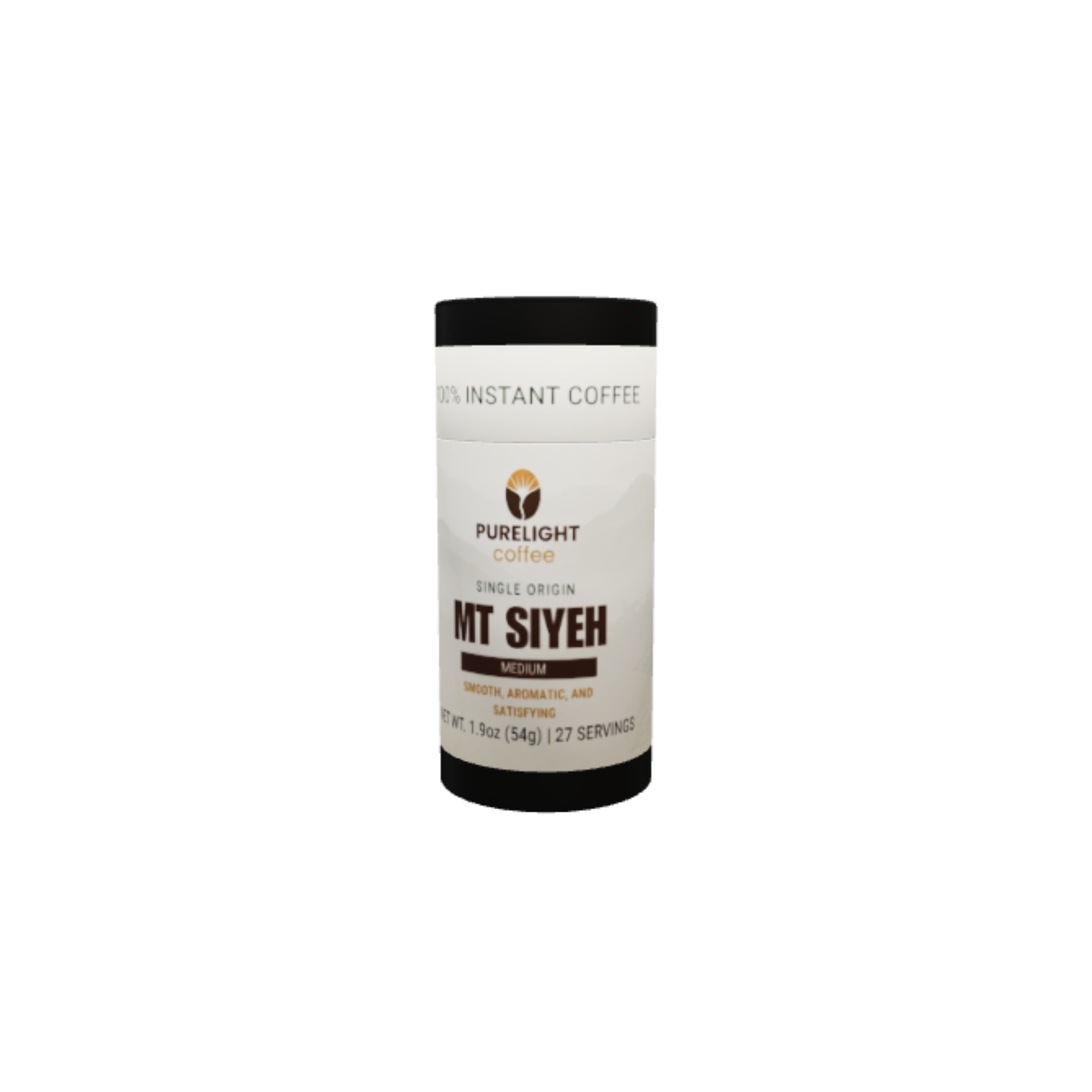
MT Siyeh (Instant Coffee) - 27 Servings

What Brewed Coffee Actually Preserves

Brewed coffee skips the industrial dehydration step entirely. Hot water passes through ground beans right before you drink it, which means the volatile aromatics that spray-drying destroys are still intact in your cup. That’s the single biggest reason brewed coffee smells and tastes more alive.

Three variables control almost everything about how a brewed cup turns out:

  • Grind size determines how fast water extracts flavor. Too fine with too long a contact time and you get bitterness; too coarse and the coffee tastes weak and sour.
  • Water temperature matters more than most people think. Water between 195°F and 205°F extracts properly. Too cool and you underextract; too hot and you scorch delicate compounds.
  • Extraction time varies by method. Espresso finishes in 25 to 30 seconds under pressure. A French press steeps for four minutes. Pour-over sits somewhere in between.

Each common method shapes the cup differently. Drip machines are consistent and hands-off but often middling in body. Pour-over gives you control over pour rate and bloom, producing a cleaner, brighter cup. French press uses a metal mesh instead of paper, so oils and fine sediment stay in the cup, giving it a heavier, fuller mouthfeel. Espresso concentrates everything into a small, intense shot with crema on top.

Roast date and grind freshness matter just as much as method. Coffee starts losing aromatic compounds within days of grinding, which is why coffee ground to order tastes sharper than pre-ground coffee that’s been sitting in a bag for weeks. A bag with a visible roast date, like the ones Purelightcoffee prints on every product, tells you whether you’re brewing something recent or something that’s already lost half its character.

Instant Coffee vs Brewed: The Numbers That Matter

This is where the decision usually gets made, so here’s the direct comparison across the factors that actually change your morning.

Taste and mouthfeel. Brewed coffee typically delivers a fuller, more rounded texture. Sensory experts point to two causes: lost aroma compounds during processing and reduced body once the oils and micro-particles that create richness in brewed coffee get filtered out or destroyed during dehydration. Instant often reads as thinner and flatter on the palate for this reason. That said, a recent blind taste test found many tasters actually preferred certain instant coffees over drip when the instant was prepared at a stronger ratio. Brand and preparation ratio matter more than the format label alone.

Caffeine per cup. The median for a 225 mL cup of instant coffee is 66 mg, ranging from 29 to 117 mg depending on brand and how much you use. Drip or filter coffee runs a median of 112 mg in the same size cup. That’s a real gap, but it’s not universal. Some instant brands pack more caffeine than weak drip coffee, so if caffeine content is your priority, check the label rather than assuming the format guarantees the number.

Antioxidants and iron absorption. Some analyses estimate instant coffee delivers slightly fewer polyphenols per cup than brewed, roughly 320 mg versus 400 mg per 180 mL. The difference is modest and unlikely to matter for most people’s overall antioxidant intake. More relevant for some readers: instant coffee can inhibit intestinal iron absorption somewhat more than drip coffee when consumed with or right after a meal. If you’re managing iron intake, spacing coffee (either kind) away from meals is the more useful habit than picking a format.

Shelf life. Sealed instant coffee has a longer shelf life than ground coffee, which loses freshness within weeks and rapidly after opening. If you drink coffee sporadically or stock up for emergencies, instant’s stability is a genuine advantage.

Cost and packaging. Instant usually costs less per serving and ships lighter, since you’re not paying to transport water weight or bulky packaging. It also produces less kitchen waste since there are no filters or grounds to dispose of.

Environmental trade-offs. Instant’s lighter shipping footprint cuts transportation emissions, but the processing itself (industrial brewing, then energy-intensive freeze or spray drying) adds its own resource cost. Brewed coffee’s footprint depends heavily on method: a reusable French press or metal filter cone generates far less waste than daily paper filters or single-use pods.

Factor Instant Brewed
Taste / mouthfeel Thinner, flatter, brand-dependent Fuller-bodied, more aromatic
Caffeine per cup ~66 mg median ~112 mg median
Prep time / equipment Seconds, just hot water 3 minutes, dedicated gear
Shelf life Up to 2 years sealed Weeks after opening
Cost per serving Generally lower Generally higher
Best for Travel, speed, backup supply Flavor exploration, daily ritual

Getting More Flavor Out of Instant Coffee

You can close a good chunk of the flavor gap with three adjustments, and none of them require new equipment.

Hands measuring instant coffee powder carefully

Start with dosage. Most instant packaging under-recommends how much to use if you want a cup that tastes like coffee instead of coffee-flavored water. Try adding an extra half scoop and adjusting from there by taste rather than following the label exactly. This single change, calibrating by preference instead of package instructions, is one of the most effective ways to close the perceived quality gap between instant and drip.

Pro Tip: Let your instant granules sit in a small splash of hot water for 15 seconds before adding the rest of the liquid. This mini “bloom” wakes up dormant aroma compounds the same way blooming works for ground coffee, and it takes zero extra equipment.

Beyond dosage, a few habits make a real difference:

  1. Use water just off the boil, around 200°F, rather than lukewarm tap-hot water. Cooler water under-extracts and leaves instant tasting flat.
  2. Stir rather than shake when possible. Shaking introduces excess foam and can make the texture uneven.
  3. Add milk or a splash of creamer if you want more body. Since instant lacks the natural oils brewed coffee carries, dairy or a dairy alternative fills that textural gap effectively.
  4. Buy freeze-dried, single-origin instant when you can. Higher-quality arabica beans and freeze-drying get you noticeably closer to a brewed profile than generic robusta-based spray-dried blends.

Instant also earns its keep in specific situations beyond your morning cup: baking recipes that call for coffee flavor, quick iced coffee concentrate, camping trips, and stocked emergency kits where shelf stability matters more than nuance.

When Brewing Your Own Is Worth the Extra Minutes

Some coffee drinkers genuinely benefit more from brewed than others. If you’re a flavor explorer who wants to taste the difference between a Brazilian and an Ethiopian bean, instant will never show you that. Single-origin brewed coffee reveals origin characteristics that get flattened out during industrial processing.

People chasing a stronger caffeine hit also lean brewed, since the median caffeine content runs higher per cup. And if coffee is part of your morning ritual rather than just fuel, the physical process of brewing (grinding, timing, pouring) adds something instant can’t replicate.

You don’t need expensive gear to get most of the benefit. A basic French press or pour-over cone costs relatively little and produces a dramatic flavor upgrade over instant for a few extra minutes of hands-on time. A cheap kitchen scale helps you dial in consistent ratios.

The real cost isn’t money. It’s the few extra minutes each morning and the cleanup afterward, grounds, filters, a French press plunger to rinse. If that trade doesn’t bother you, brewed pays you back in flavor every single day.

How Purelightcoffee Covers Both Sides of This Decision

Purelightcoffee sources beans directly from growers and roasts in small batches, printing a roast date on every bag so you know exactly how fresh what you’re drinking is. Every product also goes through third-party testing for purity and freshness before it ships, which matters whether you’re buying instant or whole bean.

For instant, two options stand out depending on what you want from your cup:

  • MT Siyeh Instant Coffee (27 servings) is built for someone who wants a straightforward, high-quality instant that doesn’t taste like an afterthought. It’s the pick when you want convenience without settling for the flat, thin profile that gives mass-market instant its bad reputation.
  • Matcha Instant Coffee (27 servings) suits anyone who wants a flavor variation, whether that’s for taste variety or a different caffeine profile through the day.

For brewed, Brazil Classic Single Origin (12 oz) is the option when flavor exploration is the point. Single-origin beans show off regional character in a way blends and instant simply can’t.

A quick buying checklist before you order anything, from Purelightcoffee or elsewhere: check the roast date, confirm the packaging is airtight and resealable, and match the grind (or lack of one, for instant) to how you’ll actually prepare it. A subscription through Purelightcoffee’s club keeps fresh coffee arriving on a schedule instead of letting a bag sit stale in your pantry for months.

What This Comparison Gets Wrong Most Often

The instant-versus-brewed debate usually turns into a purity argument, as if one format is “real” coffee and the other is a compromise. That framing doesn’t hold up against the evidence. Blind taste tests routinely show tasters preferring certain instant brands over drip, which tells you the format matters less than the specific bean, roast, and preparation ratio behind it.

What conventional advice gets wrong is treating this as a binary choice you make once. Your caffeine needs, your morning schedule, and your patience for cleanup change day to day. The more useful question isn’t “which is better,” it’s “which does what I need right now.”

If I had to prioritize one thing for readers, it’s dosage over dogma. Most instant coffee tastes bad because people under-dose it, not because the format is inherently inferior. Fix the ratio before you write off the whole category. And if you do want to explore flavor, don’t buy expensive gear first. Buy better beans first. A cheap French press with a great single-origin bag beats a $300 machine with mediocre coffee every time.

Get Both Options Without the Guesswork

Purelightcoffee solves the instant-versus-brewed dilemma by giving you both, sourced and roasted with the same standard for freshness. You’re not choosing between a convenience brand and a quality brand. Every product, instant or whole bean, comes from direct-sourced beans, gets roasted in small batches, and carries a roast date so you know exactly what you’re buying.

MT Siyeh (Instant Coffee) - 27 Servings

If your mornings need speed, start with MT Siyeh Instant Coffee or the Matcha Instant Coffee for variety. If you’re ready to slow down and taste what a single farm produces, Brazil Classic Single Origin is the place to start. Order either one today, or set up a subscription through Purelightcoffee’s club so fresh coffee shows up on your schedule instead of sitting stale in a cabinet.

Frequently Asked Questions

Is instant coffee real coffee? Yes. Instant coffee starts as brewed coffee made from ground, roasted beans, then gets dehydrated through freeze-drying or spray-drying. It’s a different processing path, not a different substance.

Does instant coffee have less caffeine than brewed? Usually, yes. A typical 225 mL cup of instant averages 66 mg of caffeine compared to a median of 112 mg for drip coffee, though this varies significantly by brand and how much you use.

Which lasts longer, instant or ground coffee? Sealed instant coffee can stay good for up to two years, and even after opening it holds up for roughly six months. Ground coffee peaks within weeks of roasting and starts losing flavor within about two weeks of opening the bag.

Can instant coffee taste as good as brewed? It can get close. Freeze-dried, single-origin instant made with more granules than the package suggests narrows the gap significantly, and some blind taste tests show tasters preferring certain instant brands over drip coffee.

Is instant or brewed coffee better for iron absorption? Brewed coffee interferes slightly less with iron absorption than instant when consumed close to meals. If iron intake concerns you, spacing either type of coffee away from meals matters more than which format you choose.

Sources

Previous
Freshly Roasted Coffee: When to Drink It, How to Buy It
Next
Light vs Dark Caffeine: Which Roast Really Wins?