Honey processed coffee cherries drying on raised beds
Coffee Guides

What Honey Processed Coffee Is and Why It Tastes That Way

Honey processed coffee is depulped coffee dried with its mucilage still clinging to the seed, and that sticky layer is what gives the cup its signature syrupy sweetness and body somewhere between a washed coffee’s clarity and a natural’s fruit bomb intensity. No actual honey touches the beans. The name comes from how the mucilage feels during drying: tacky, sugary, almost viscous under the fingers. Color grades (white, yellow, red, black) tell you roughly how much of that layer stayed on and how long the beans sat drying, which matters more than most bags let on.


TL;DR:

  • The mucilage remaining during honey processing varies from white to black, affecting sweetness, body, and drying time, with darker grades requiring longer, more careful drying.
  • Color grades correspond to the amount of mucilage retained and drying duration, influencing flavor profiles from bright and clean to dense fruit and fermented notes.
  • Proper drying and water activity management are crucial, especially for black honey, to prevent mold and uneven fermentation, which increase overall costs and risks.
  • Roasters should adjust roasting and brewing techniques to accommodate higher sugar content, with finer grinds and shorter shots for espresso, and longer, slower extraction for pour-over.
  • Honey processing offers insight into how attention to post-harvest details shapes final flavor, encouraging comparisons between grades and processing methods for improved palate development.

Table of Contents

What Honey Process Coffee Means on the Processing Spectrum

Three main post-harvest paths shape how coffee tastes before roasting even starts. Washed coffee gets fully depulped and demucilaged, often through fermentation tanks, then dried clean. Natural coffee skips depulping entirely. The whole cherry dries intact, and the fruit sugars soak straight into the seed. Honey process sits between those two: the skin comes off, but the mucilage, that sugar and pectin layer between skin and seed, stays put during drying, according to Roastopedia.

That mucilage isn’t inert. As it dries against the parchment, its sugars migrate slowly into the bean, building sweetness without the wild fermentation-driven funk you sometimes get in naturals.

On-farm, the choice comes down to equipment and intent:

  • A depulper strips the skin but leaves mucilage behind by design
  • A demucilaging machine can mechanically scrub some or all of that layer off, which is how mills dial in white versus darker grades
  • Raised beds with mesh screens let air circulate under the parchment, a step many honey producers prefer over patios for control

Color Grades: White, Yellow, Red, and Black Honey

The color names aren’t marketing flourish. They roughly track how much mucilage stays on the bean and how long the parchment stays on the drying bed, per Keffa’s buyer guide.

  • White honey: mucilage largely removed, dried fast, closest to washed in cup character. Clean, bright, mild sweetness.
  • Yellow honey: moderate mucilage left, dried in full sun with regular turning. Balanced sweetness with more body than white.
  • Red honey: more mucilage retained, slower drying with some shade. Fuller body, more red-fruit and syrupy character.
  • Black honey: mucilage left almost entirely intact, dried slowest under shade or covers. Closest to natural, dense fruit and fermented depth.

If a bag just says “honey process” with nothing else, ask the roaster or importer for the grade and drying protocol—especially when comparing it to products like Monterey Gold Honey, a staple example of small-farm honey harvesting. A red honey and a black honey from the same farm can taste like two different coffees entirely.

How Honey Processed Coffee Is Made on the Farm

The process starts the moment cherries hit the mill, and every decision from there shapes the final cup.

  1. Harvest: only ripe, red cherries get picked. Honey lots are unforgiving of underripe fruit since there’s no fermentation step to mask defects.
  2. Depulping: cherries pass through a depulper within hours of picking, stripping the skin while keeping mucilage attached.
  3. Demucilaging decision: the mill either lets all the mucilage ride into drying (red, black) or mechanically removes a portion first (white, yellow).
  4. Drying: parchment moves to raised beds or patios, where workers turn it by hand every hour or two in the early days to prevent clumping and mold.
  5. Milling: once the parchment reaches target moisture, usually around 11 to 12%, it rests before hulling and export prep.

Drying duration varies by grade, with lighter grades drying faster and dense black honey lots drying longest under shade; the extended drying time increases cost and risk for black honey.

Pro Tip: Ask your roaster about the lot’s target moisture and water activity before hulling, as these numbers are better predictors of shelf stability than color grade alone.

Farmer measuring coffee moisture content on farm

The Flavor Profile of Honey Coffee Across the Spectrum

Expect brown sugar, toffee, stone fruit, and chocolate notes to show up across most honey lots, with the exact balance shifting depending on grade, according to Roastopedia.

  • White honey: crisper acidity, lighter sweetness, notes closer to a clean washed cup with a touch more roundness
  • Yellow honey: caramel and light stone fruit, a middle-ground everyday honey profile
  • Red honey: heavier syrupy sweetness, red berry or plum notes, fuller mouthfeel
  • Black honey: tropical fruit, dark chocolate, sometimes a wine-like depth that edges toward natural territory

Compiled tasting data across honey lots consistently flags milk chocolate and caramel as the most frequently logged descriptors, more common than any single fruit note. Altitude and cultivar still matter here. A high-grown Bourbon or Geisha honey lot will carry more delicate florals under that sweetness than a lower-altitude Catuai, and a darker roast will mute the fruit notes while pushing caramelization forward.

Roasting and Brewing Honey Lots the Right Way

Sugar-dense beans caramelize earlier in the roast than washed coffee, which means roasters need to watch the transition into first crack closely instead of relying on standard timing, a pattern Roastopedia confirms across honey lots generally. A gentler charge temperature and slightly extended development time help avoid scorching that sugar-rich surface before the inside catches up.

For brewing, small adjustments go a long way:

  • Espresso: grind slightly finer and pull a marginally shorter shot to keep the sweetness from tipping into heaviness
  • Pour-over: slow the extraction down a touch. A finer grind or longer bloom lets the syrupy body come through without muddying clarity
  • Immersion (French press, etc.): a slightly higher water temperature or longer steep pulls out more of that fuller body honey lots are known for

Pro Tip: Cup the same lot as both washed and honey side by side if you ever get the chance. It’s the fastest way to actually hear, rather than just read about, what mucilage retention does to a cup.

Why Producers Choose Honey Processing

Water scarcity drove a lot of this. Honey processing became popular in Costa Rica partly as a response to water shortages and pressure on wet-mill infrastructure, letting smaller mills produce specialty microlots without the water demands of full washing, according to Daily Coffee News. Honey processing also cuts wastewater output compared to washed processing, which matters in regions facing tighter water regulation, per FNB Tech.

The tradeoff is labor and risk. Keeping mucilage on the seed demands frequent hand turning and careful drying oversight to head off mold, which is a real cost driver behind honey lot pricing, according to Perfect Daily Grind.

Black honey in particular carries the highest defect risk of the group. Without disciplined turning schedules and shade management during those long drying curves, the batch can ferment unevenly or mold before it ever reaches target moisture.

That risk, plus the extra drying space and labor hours, explains why honey lots often show up seasonally and in smaller quantities than washed or natural offerings from the same farm.

Purelight Coffee’s Approach to Sourcing and Transparency

Purelightcoffee sources directly from growers and roasts in small batches, with sourcing details and roast dates printed on every product so you can see exactly how fresh your bag is. Every lot goes through third-party testing for purity, which matters more with sweetness-forward lots like honey process, since sugar content can mask quality issues if a buyer isn’t paying attention.

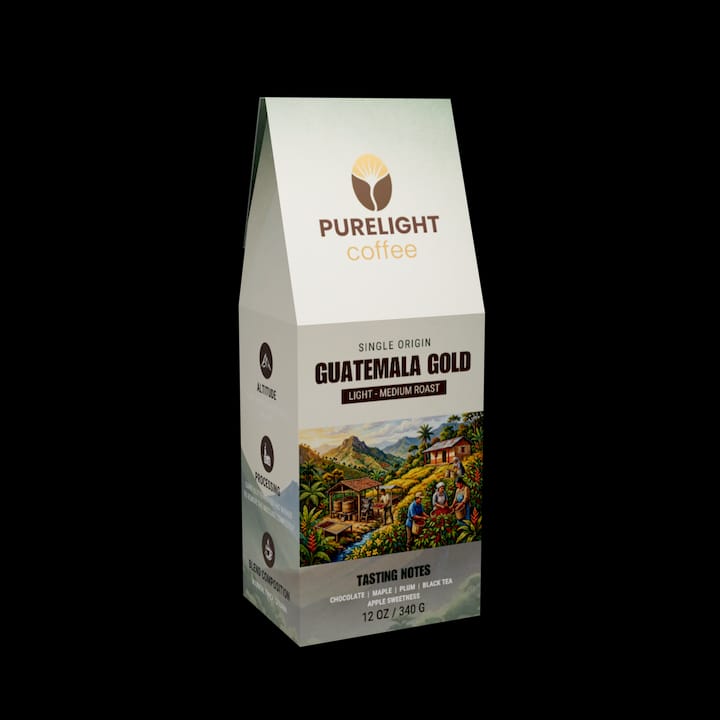
The current lineup includes Guatemala Gold and Colombia Dawn as single-origin options, alongside the Cascades dark house blend for everyday drinking. Verified customer reviews and an optional subscription club round out the buying experience.

Guatemala Gold(Single Origin) - 12 OZ

Author credentials and additional third-party testing documentation to be added.

Try a Honey-Style Lot from Purelight Coffee

Purelightcoffee’s direct-from-grower model means you get roast dates and origin details printed right on the bag, not buried in a footnote somewhere on a website. That transparency matters most with sweetness-forward coffee, where knowing exactly how fresh the roast is changes how the sugars show up in the cup.

Guatemala Gold(Single Origin) - 12 OZ

Start with Guatemala Gold or Colombia Dawn if you want a single-origin lot to taste against your usual washed coffee. Prefer something steadier for daily brewing? The Cascades house blend gives you that fuller, sweeter body without chasing seasonal microlots. Browse the full single-origin collection for more options, or start a subscription so a fresh bag lands on your counter before the last one runs out.

What Honey Processing Actually Teaches You About Coffee

Honey processing rewards attention in a way washed coffee sometimes doesn’t. Once you taste a red honey against a black honey from the same farm, you stop thinking of “process” as a single category and start reading it as a dial. That shift changes how you shop.

Ask for the color grade next time. Ask about drying protocol if the roaster knows it. Then cup the honey lot against a washed and a natural from a similar region, the same exercise described earlier in this piece, and you’ll hear the spectrum instead of just reading about it. Share what you taste. It’s the fastest way to build a palate that actually knows the difference.

— Shawn Lee

Sources

Previous
Farm to Cup Coffee: What Traceability Really Means
Next
Roast 2 kg at a Time: Small Batch Roasting for Home Roasters